
Dispatch Tier List: Best Choices for New Players
Dispatch blends workplace comedy with strategic emergency management, putting you in the shoes of a dispatcher coordinating former supervillains across Los Angeles. Success hinges on evaluating mission requirements, understanding individual powers, and deploying the right personnel to resolve unpredictable emergency calls.
Because call demands shift rapidly and hero abilities can turn a risky gamble into a safe victory, knowing who to prioritize early makes a massive difference. Hero values and tactical viability may shift as game updates, new mission modifiers, and community strategies evolve, so treat these rankings as practical guidance for stabilizing your early shifts.
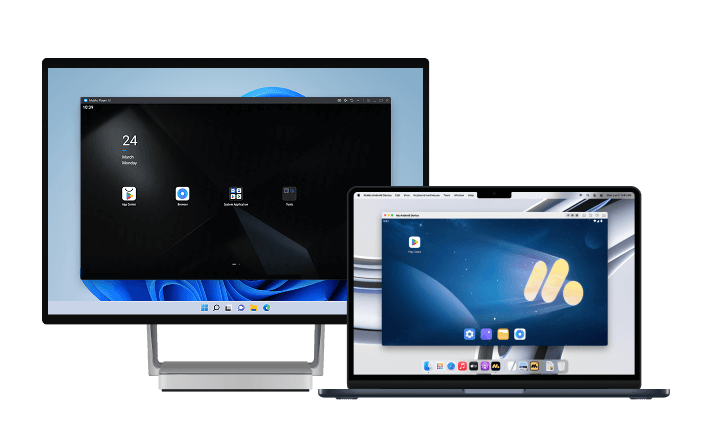
Play better with MuMuPlayer: Building the right lineup in Dispatch is easier with MuMuPlayer's larger screen and multi-instance workflow. You can keep reference pages open beside the game while comparing characters, roles, and upgrades, then focus on management, upgrades, and long progression loops with less switching between devices.
How Hero Value and Call Efficiency Are Ranked
Evaluating heroes in Dispatch requires looking beyond raw starting numbers. Each operative begins with base stat points and earns additional skill points through experience, meaning powers, travel efficiency, and deployment safety nets determine long-term usefulness.
A reliable hero needs to perform consistently without causing resource drains or mission setbacks. When weighing character tiers, consider these core operational factors:
- Emergency Rerolls and Buffers: Powers that allow call retries or extend response windows prevent catastrophic failures and protect campaign momentum.
- Mobility and Transit Speed: Heroes with flight or movement advantages reach calls quicker and return to reserve faster.
- Slot Efficiency and Stat Duplication: Abilities that fill phantom slots or copy stats allow smaller deployments to clear multi-hero mission requirements.
- Synergy Compatibility: Characters who pair naturally with reliable partners simplify team building across multi-stage shifts.
- Reliability Under Pressure: Predictable stat output is always preferred over erratic shifts or high-maintenance drawbacks.
Best Operatives and Hero Performance Tiers
Some heroes provide immediate consistency from your earliest shifts, while others require specific conditions or fail-safe backups to shine. This breakdown organizes the roster by overall effectiveness and reliability during emergency calls.
| Tier | Recommended Picks | Why They Stand Out |
|---|---|---|
| S Tier | Coupe, Prism | Coupe brings unmatched reliability with mobility, flight, and the Pirouette reroll safety net. Prism uses Doppelganger Illusion to cover extra slots and Long Range Illusion to grant crucial response buffers. |
| A Tier | Flambae, Malevola | Flambae delivers massive combat output and fast travel through flight mechanics. Malevola provides flexible combat and charisma coverage alongside rescue healing utility. |
| B Tier | Punch Up, Invisigal, Golem | Punch Up can squeeze into tight calls and soak pressure. Invisigal offers strong solo deployment speed, while Golem provides unique utility on specific multi-slot emergencies. |
| C Tier | Sonar, Phenomaman, Waterboy | Sonar suffers from shifting form stats, Phenomaman comes with harsh emotional penalties on failure, and Waterboy requires heavy setup to avoid rogue auto-deployments. |
Top Performers in Critical Calls
Coupe stands out as the single most dependable hero on the roster. Her innate mobility and access to flight allow her to answer urgent calls rapidly. What truly elevates Coupe is her Pirouette power, which offers a built-in reroll on failed checks, letting you take calculated risks without jeopardizing your shift score.
Prism solves one of the biggest logistical headaches in the game: multi-slot requirements. Her Doppelganger Illusion essentially generates stat value out of empty deployment slots. Paired with her Long Range Illusion to buy extra response time, Prism allows you to conserve your roster and tackle demanding emergencies with fewer deployed units.
High-Impact Specialists
Flambae functions as a premier response unit once his flight mobility is active. Powers like Supernova and On Fire let him snowball through successive wins with rapid turnaround times. The only caution with Flambae is maintaining his win streak, as failing checks stalls his momentum.
Malevola offers a balanced blend of Combat and Charisma, making her ideal for social crises, negotiations, and high-stakes leadership calls. When missions go wrong, her Life Trade abilities provide valuable emergency healing for wounded teammates.
Which Heroes New Dispatchers Should Invest In First
This is where many new players waste resources: spreading skill points equally across the entire roster. Spreading upgrades thin leaves your squad without decisive specialists capable of hitting high threshold checks.
A good first goal is locking in your core dispatch duo. Investing your early skill points into Coupe and Prism guarantees that almost every shift has a dependable answer for both high-stat emergencies and multi-slot crises.
- Focus on Primary Stat Strengths: Build onto what an operative already does well rather than trying to fix unfixable weaknesses. Give Combat and Mobility to fast responders, and boost Charisma on negotiation leaders.
- Unlock Game-Changing Powers Early: Prioritize abilities like Coupe's Pirouette and Prism's Long Range Illusion before investing in minor passive stat bumps.
- Avoid Sinking Points into High-Risk Units: Heroes like Sonar or Phenomaman carry volatility that can ruin early shifts. Leave them on the back burner until your core roster is fully stable.
Team Synergy and Roster Upgrade Priorities
Dispatch rewards pairing complementary heroes who cover each other's blind spots. Sending mismatched operatives often leads to failed checks and injured team members that stay out of commission for entire episodes.
The safer choice for most players is building two-hero synergy pairs. For instance, pairing Prism with Flambae allows Prism's illusion to duplicate high stats, clearing complex multi-slot calls with just two active roster commitments. Similarly, running Coupe alongside Punch Up gives you a flexible response team capable of tackling brute-force combat calls or pivoting to solo crisis support.
Once your basic setup is stable, monitor your reserve bench carefully. Always keep at least one high-mobility hero in reserve so surprise timed emergencies never expire unanswered while your main squad is in transit.
How to Play Dispatch on PC and Mac
- Download MuMuPlayer on your PC or Mac.
- Launch MuMuPlayer, then search for Dispatch in Google Play or MuMuStore.
- Download and install the game from the store. If the game cannot be found in the store, you can download the APK on your computer and drag it directly into MuMuPlayer.
- After installation, open the emulator desktop and launch the game.
Once Dispatch becomes available, MuMuPlayer will let players use keyboard and mouse controls, smooth frame pacing, and strong desktop performance for management, upgrades, and long progression loops. MuMuPlayer will keep following the game's release updates and work to support it as soon as it becomes available.
Tracking Future Balance Shifts and Mechanics
As updates arrive, hero abilities and call scoring parameters can shift. Keep an eye on adjustments to travel cooldowns, power success rates, and injury recovery penalties, as subtle tweaks can raise the value of healing specialists like Waterboy or utility tanks like Golem.
Pay attention to developer notes and in-game episode conditions as you advance. Experimenting with different pairings during routine shifts is the best way to prepare your agency for unpredictable future emergencies.
End of Article