
Play Seeing the Invisible on PC and Mac
Download Seeing the Invisible on PC or Mac with MuMuPlayer, get a PC like gameplay along with smart control and high graphics performance.
MuMuPlayer, the top Android emulator for PC and Apple silicon Mac, delivers an optimal gaming experience with minimal RAM usage and high FPS. It also allows you to create multiple instances of the emulator and run several games simultaneously, thanks to its Multi-instance feature. Its advanced emulator features ensure smooth gameplay, even on low-end PCs.
Download and play Seeing the Invisible on PC or Mac with MuMuPlayer and start enjoying your gaming experience now.
About the Game
Seeing the Invisible is an augmented reality contemporary art exhibition initiated by the Jerusalem Botanical Gardens in partnership with Outset Contemporary Art Fund, with the support of the Jerusalem Foundation. The first exhibition of its kind to be developed in collaboration with botanical gardens, it will open and be on view simultaneously at twelve different gardens around the world. The participating gardens all present the same exhibition, but as the works are augmented into the unique surroundings and context of each garden, the exhibition is experienced differently against the backdrop of each location, and is constructed, as a whole, on different iterations of the same corpus of works. An open-air exhibition, Seeing the Invisible continues the efforts to present and discuss art in the current pandemic crisis, while also allowing local communities to be exposed to the forefront of international contemporary art. The exhibition can only be viewed upon visiting the participating botanical gardens and through the Seeing the Invisible mobile app developed for this project.

The exhibition features thirteen augmented reality (AR) works by established artists from various countries. Co-curators, Hadas Maor (curator of contemporary art) and Tal Michael Haring (virtual and augmented reality expert and curator) worked with the artists to select existing works as well as commission new ones, and to position these new experiential artworks in unique spots in each of the participating botanical gardens. As institutions holding documented collections of living plants for the purpose of scientific research, conservation, display, and education, botanical gardens are hybrids in their own right, blending nature and cultivation, order and coincidence.
Setting these digital experiences inside botanical gardens, without disturbing the preservations, and keeping the carbon footprint to a minimum, the exhibition addresses themes pertaining to nature, environment, and sustainability and explores the boundaries and connections between art, technology, and nature. Both bleak and hopeful, each artwork offers a unique perspective on these unresolved issues, creating thought-provoking, experiential, and contemplative spaces for the viewers to immerse in.
As viewers are invited to explore the botanical gardens and actively locate the artworks scattered throughout them, they must use technological devices to establish the digital works into existence and, in many cases, experience the way their own physical presence affects the work and changes its course, further exploring the interrelations between the "art object" and the self.

Since the works cannot be experienced online, but require viewers to physically visit the gardens, they offer a "phygital" experience combining the physical location and the digital manifestation. Thus, the exhibition invites viewers to also contemplate contemporary notions relating to site and non-site, physical and digital realms. In 1968 Robert Smithson created a series of works entitled Site/Nonsite. These geologically and geographically based works were part of Smithson’s ongoing radical challenge of the limits of sculptural practice, and paved the way for his most ambitious work, Spiral Jetty (1970). At the time of their creation, the tension between outdoors and indoors, scattered and contained, natural and constructed, was at the forefront of theoretical discourse and artistic practice. Today, as questions relating to the physical and digital realms are at the core of our existence, they become an inevitable part of artistic discussion and are at the heart of this exhibition.
Emulator Features
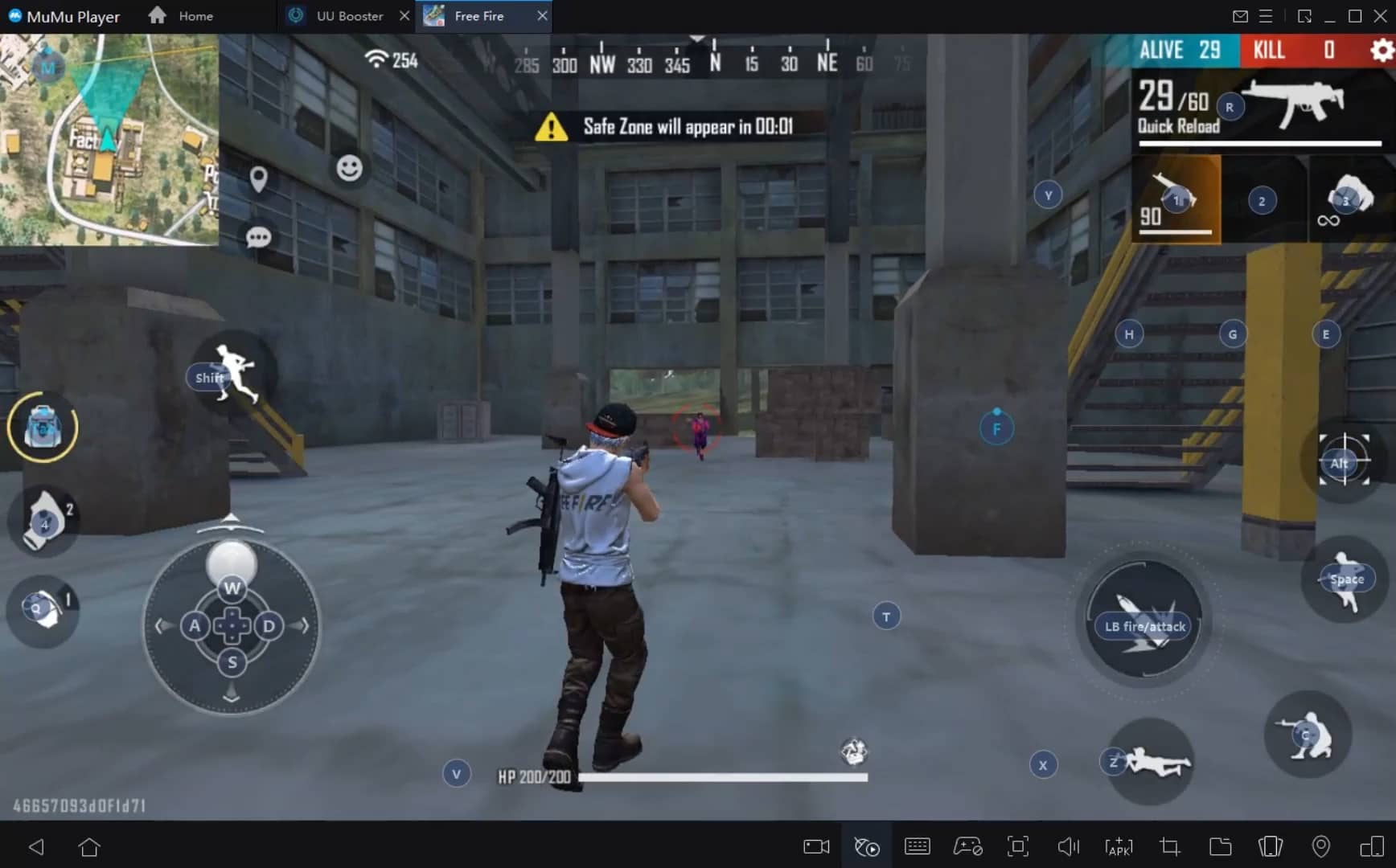
With a smart button scheme and image recognition function, provide a more concise UI, and support custom button mapping to meet different needs.
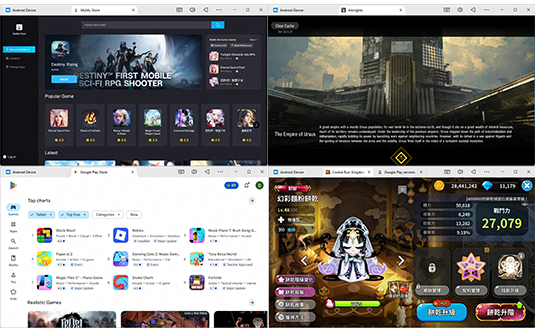
Run multiple games independently at the same time, easily manage multiple accounts, play games while hanging.
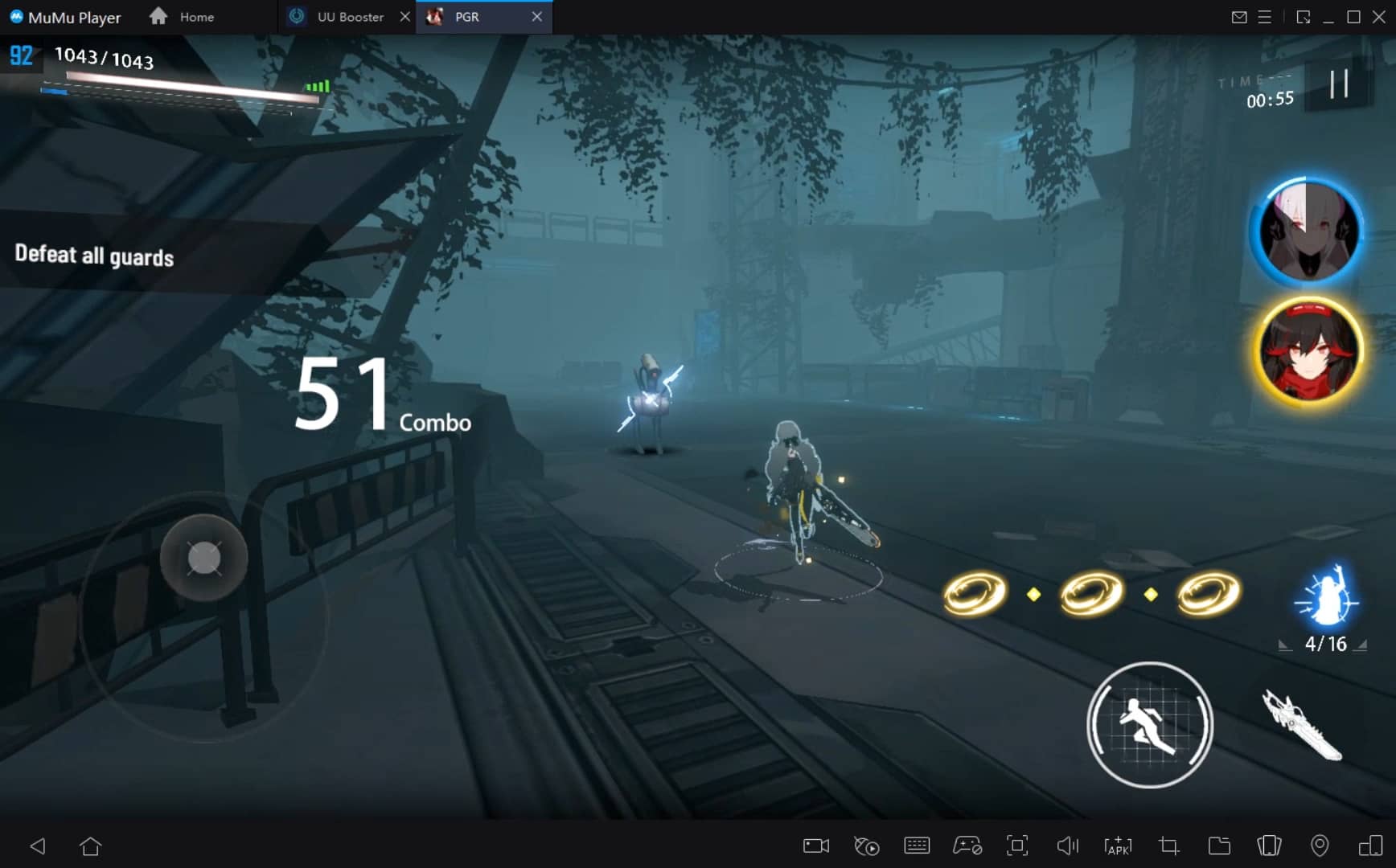
Break through FPS limit, and enjoy a seamless gaming experience without lag and delay!
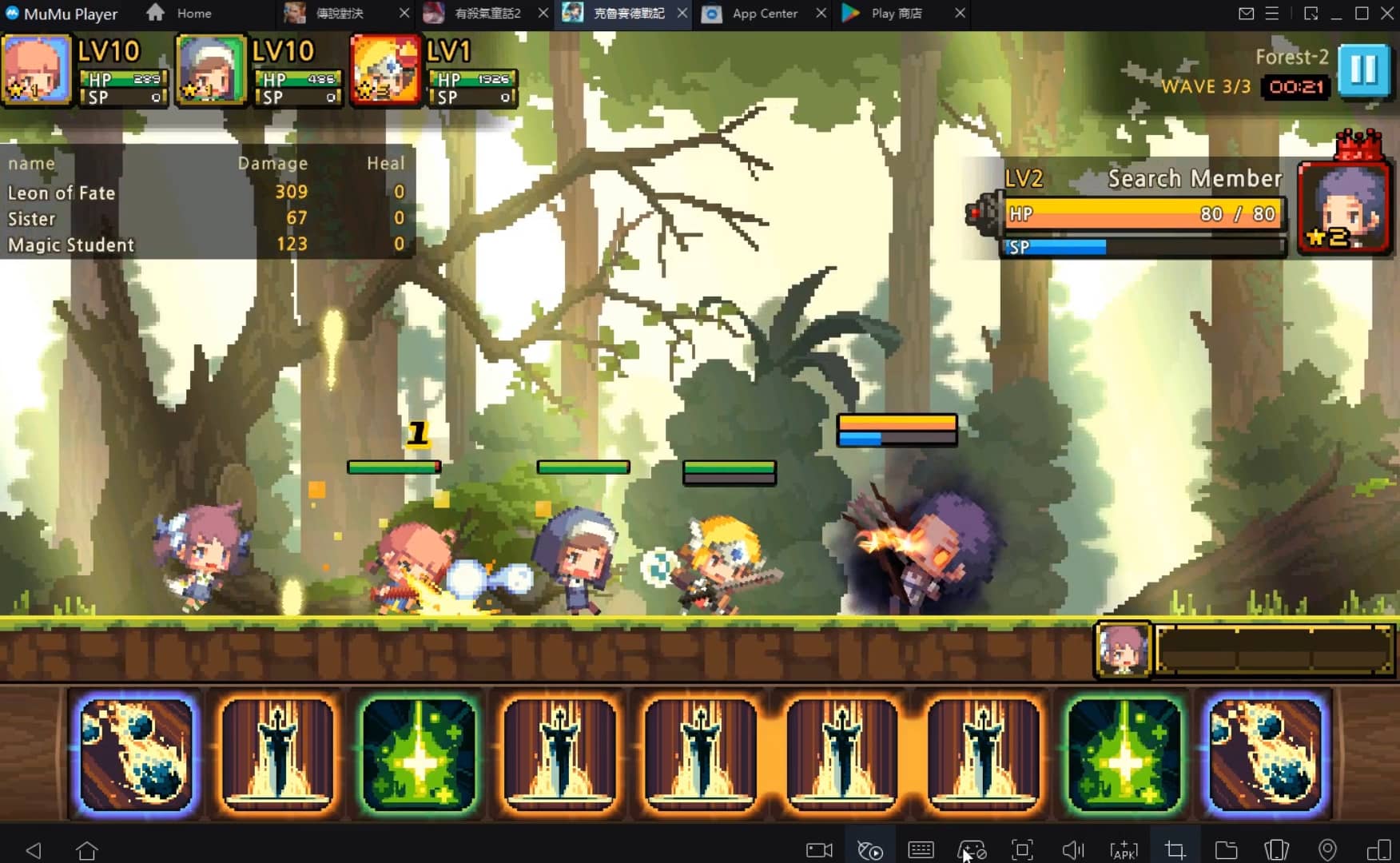
Get a 3-second startup with 52% less memory usage and 65% more stability.
How to Download and Play Seeing the Invisible on PC and Mac
Installation Guide
① Download and install MuMuPlayer on your PC or Mac. It will identify automatically your current system and download the latest version.
② Start MuMuPlayer and complete Google sign-in to access the Play Store, or do it later.
③ Search Seeing the Invisible in the Play Store.
④ Complete Google sign-in (if you skipped step 2) to install Seeing the Invisible.
⑤ Once installation completes, click the Seeing the Invisible icon on the home page to start the game.
⑥ Enjoy playing Seeing the Invisible on your PC or Mac with MuMuPlayer.
Installation Guide
Recommended computer configuration
For Windows:4-core CPU, 4GB RAM, i5 OS, GTX950+ graphics card
For macOS: 4-core CPU, 4GB RAM
Recommended Android Device performance settings
Graphics renderer mode
Vulkan and DirectX both supported
Performance Settings
Recommended performance settings: 2 cores, 2GB. >>How to adjust performance settings
Recommended Android Device Display Settings
Resolution Settings
Go to Device Settings > Display > Resolution Settings to adjust your device's resolution as needed.
FPS Settings
MuMuPlayer supports up to 240 FPS. >>How to enable high FPS mode
Recommended to enable VT
Enabling VT will significantly improve emulator performance, reduce screen freezing, and make games run more smoothly. >>How to enable VT